A sewer problem can put a home or business on edge fast. Drains begin backing up, unpleasant odors appear, and the thought of digging through a yard, driveway, or landscaping creates even more stress. Pipe relining may offer a less disruptive way to repair certain damaged sewer lines, but it is not the right answer for every pipe.
For Middle Tennessee property owners, the best decision starts with an honest inspection. A repair should protect your property, restore dependable drainage, and make sense for the actual condition of the line - not simply promise the fastest-looking fix.
What Is Pipe Relining?
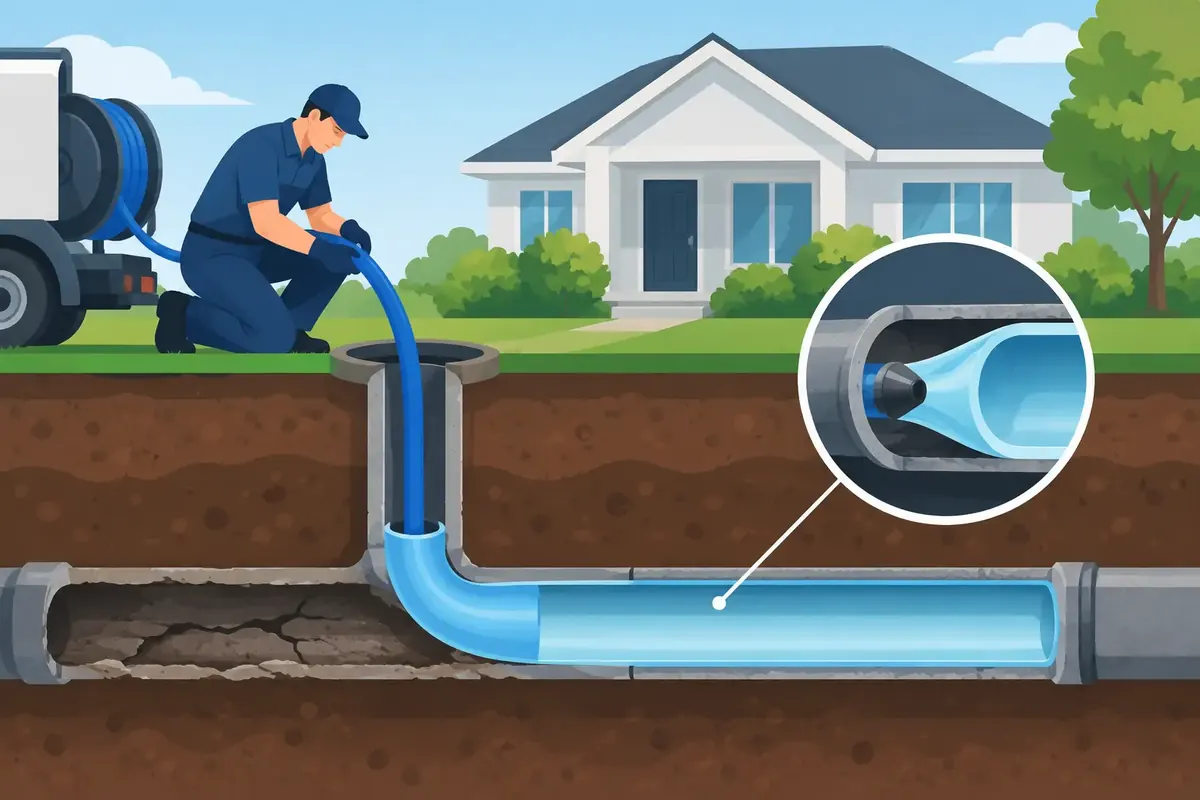
Pipe relining is a trenchless sewer repair method that creates a new pipe inside an existing damaged pipe. After a plumber inspects and thoroughly cleans the sewer line, a flexible liner saturated with a specialized resin is inserted into the pipe. The liner is inflated or formed in place, then cured until it becomes a hard, jointless inner pipe.
Once cured, the new liner seals many cracks, gaps, and root-entry points without requiring a full trench across the property. Openings are restored at the needed branch connections, and a final camera inspection helps confirm the line is open and properly finished.
This process is most commonly used for drain and sewer pipes. It is not a one-size-fits-all repair for every plumbing pipe in a home or commercial building. Water supply lines, severely collapsed sewer lines, and pipes with major alignment problems may require a different approach.
Signs Your Sewer Line May Need Repair
One slow drain does not automatically mean a failing sewer line. A clog near a sink, shower, or toilet can often be cleared with routine drain service. The concern rises when several fixtures begin showing trouble at once, especially the lowest drains in the building.
Watch for recurring backups, gurgling toilets, slow drains throughout the property, sewage odors, or wet and unusually green patches in the yard. Tree roots may be entering older pipe joints, while cast-iron lines can corrode from the inside and develop rough, scaled surfaces that catch waste. Clay, Orangeburg, and aging PVC lines can also crack, shift, or separate over time.
For commercial properties, repeated restroom backups, disrupted kitchen drains, or sewer odors can affect customers, employees, and daily operations. Waiting until a complete blockage occurs can turn a manageable repair into an emergency.
A sewer camera inspection is the clearest way to identify what is happening underground. It shows the pipe material, the location of trouble, root intrusion, cracks, buildup, standing water, and whether the line has shifted or collapsed. A camera also prevents guesswork before anyone recommends relining, spot repair, or replacement.
When Pipe Relining Makes Sense
Relining can be a strong option when the existing pipe still has enough structural shape to serve as a host for the new liner. It can seal cracks and leaking joints, help prevent roots from reentering through joints, and restore a smoother interior surface to a pipe affected by corrosion or scale.
It is especially worth discussing when conventional excavation would disturb mature landscaping, sidewalks, patios, driveways, or finished flooring. The amount of digging is often reduced because the liner can be installed through existing cleanouts or carefully selected access points. Less excavation may mean less restoration afterward, though each property is different.
A liner also has no traditional joints along its repaired section. That is valuable in areas where roots have repeatedly found their way into pipe connections. For a homeowner tired of annual drain clearing, a lasting repair may provide greater peace of mind than repeatedly treating the symptom.
Still, “trenchless” does not mean “no work” or “no access.” A plumber needs a clear path to clean the pipe, prepare the line, install the liner, and verify the final result. Some projects require small access areas, and connections may need to be reopened after the liner cures.
When Replacement May Be the Better Choice
Pipe relining cannot correct every problem underground. If a sewer line is badly collapsed, crushed, missing sections, or severely bellied, the liner may not be able to restore reliable drainage. A belly is a low section of pipe that holds water and waste because the pipe has lost proper slope. Lining the inside may seal the pipe, but it will not remove that low spot.
Likewise, a pipe with major offsets - where one section has shifted significantly away from another - may require excavation and replacement. The same can be true when the line is too small, improperly installed, or damaged across a section that needs its grade rebuilt.
There is another practical trade-off: a liner slightly reduces the inside diameter of the original pipe. In many properly sized residential sewer lines, that reduction is not a problem. But the line’s size, condition, flow needs, and the number of connected fixtures all deserve consideration before moving forward.
A trustworthy recommendation should explain why relining is suitable or why replacement is safer. The right repair is the one that addresses the failure, not the one that sounds easiest in the moment.
What the Pipe Relining Process Looks Like
A quality relining project begins with diagnosis, not with equipment. The technician first reviews the symptoms, locates cleanouts and access points, and runs a camera through the line. This inspection helps determine whether the pipe can be cleaned and lined successfully.
Next comes cleaning. Roots, grease, scale, loose debris, and obstructions must be removed so the liner can bond and form correctly. Depending on the condition of the line, cleaning may involve professional cabling, cutting tools, or high-pressure water jetting.
After cleaning, the crew measures the damaged section and prepares the liner. The resin-saturated liner is installed inside the old pipe and expanded against its interior walls. Curing methods vary by system and project conditions, but the goal is the same: create a durable new interior pipe that follows the existing route.
Once cured, the technician reopens necessary branch connections and performs a final camera inspection. Property owners should be able to understand what was found, what work was performed, and what the completed line looks like. Clear communication matters just as much as the equipment used underground.
Cost, Timing, and Property Impact
The cost of pipe relining depends on the pipe length and diameter, the number of branches, the amount of cleaning required, access conditions, and the severity of damage. A short repair near an accessible cleanout is a different project from a long sewer run beneath a slab foundation or paved driveway.
Relining can sometimes cost more upfront than a simple spot repair, yet less than extensive excavation followed by concrete, landscaping, or driveway restoration. That is why comparing repair options should include the full property impact, not only the plumbing invoice.
Timing also varies. Some relining jobs can be completed in a day, while complicated lines, heavy root intrusion, permitting requirements, or commercial access limitations can extend the process. If sewage is actively backing up into the building, immediate service may be needed first to protect the property and restore safe use of the plumbing.
Questions to Ask Before Approving a Repair
Before choosing pipe relining, ask for the camera findings in plain language. You should know the pipe material, the location and length of damage, and whether there are bellies, breaks, offsets, or collapses that could affect the repair.
Ask whether cleaning and relining will address the underlying issue, what access is needed, whether any excavation remains necessary, and how branch connections will be restored. It is also wise to ask about workmanship coverage, expected lifespan, and whether local permits or inspections apply to the project.
For homes and businesses throughout Middle Tennessee, Angle Stop Plumbing approaches sewer concerns with respectful service, upfront communication, and experienced diagnosis. Our team understands that a plumbing repair affects more than a pipe - it affects your family, your property, and your daily routine. We treat every customer like family, with courteous professionals and our No Foul Language Guarantee.
A sewer line problem deserves prompt attention, but it does not deserve a rushed decision. Start with a camera inspection, weigh the condition of the pipe against the impact of excavation, and choose the repair that gives your property the strongest path forward.